
Japanese plant markers transcend mere functional objects; they are miniature works of art, meticulously crafted to embody a profound aesthetic sensibility. Their designs, steeped in centuries of tradition, speak volumes about Japanese culture’s deep connection with nature and the inherent beauty found in minimalism. From intricate carvings to subtle color palettes, these markers offer a captivating glimpse into a world of refined artistry.
This exploration delves into the nuanced world of Japanese plant markers, examining their historical context, diverse styles, symbolic meanings, and modern interpretations. We will also look at their practical applications in gardens and beyond.
Defining Japanese Plant Markers Aesthetic
Japanese plant markers, a ubiquitous feature in Japanese gardens and homes, transcend simple function. They are imbued with a rich aesthetic sensibility rooted in the nation’s deep-seated cultural and philosophical appreciation for nature. This aesthetic embodies a harmonious relationship between humans and the natural world, finding expression in the markers’ design, symbolism, and materials.The aesthetic of Japanese plant markers isn’t merely decorative; it reflects a profound respect for the natural world and a desire to integrate it seamlessly into human life.
The markers serve as visual reminders of the delicate balance between nature and culture, a concept central to traditional Japanese aesthetics. This balance is manifest in the meticulous attention to detail, the use of natural materials, and the incorporation of symbolic imagery.
Historical and Cultural Context
Japanese plant markers have evolved over centuries, reflecting the changing artistic and cultural trends within the nation. Their design and symbolism are deeply intertwined with Shinto and Buddhist philosophies, emphasizing the interconnectedness of all things and the reverence for nature. The markers often depict flora and fauna, or incorporate elements like stones and water, all echoing the natural world’s beauty and intricate balance.
Early markers, often crafted from readily available materials, evolved into more elaborate and artistic pieces as craftsmanship advanced. This evolution mirrors the nation’s cultural development, reflecting a growing appreciation for the artistry of nature itself.
Materials and Significance
The materials used in crafting Japanese plant markers are not arbitrary; they are carefully chosen to reflect the natural environment and embody the spirit of the marker. Wood, bamboo, stone, and ceramic are frequently used, each with its own inherent aesthetic qualities. Wood, for instance, often displays the natural grain and color, evoking the essence of the forest.
Bamboo’s strength and flexibility suggest resilience and adaptability, while stone’s permanence and solidity symbolize steadfastness. The selection of materials often corresponds to the plant or feature being marked, further enriching the connection between the marker and its surroundings.
Color Palettes and Patterns
Japanese plant markers often utilize muted, earthy tones, reflecting the colors found in nature. Subtle variations in browns, greens, grays, and whites are frequently used, evoking a sense of calm and tranquility. Patterns are often inspired by natural forms, such as leaves, flowers, and branches. The repetition of these patterns, sometimes combined with calligraphy, contributes to a sense of harmony and order, aligning with traditional Japanese design principles.
These muted tones and natural patterns create a serene and inviting atmosphere, enhancing the aesthetic of the surrounding environment.
Natural Motifs and Imagery
Natural motifs and imagery are central to the aesthetic of Japanese plant markers. Common representations include stylized depictions of flowers, leaves, trees, and animals, often incorporating symbolic meanings. The use of these motifs reflects the deep-seated connection between Japanese culture and nature. The artistry involved in creating these representations adds another layer of appreciation for the natural world.
These representations frequently emphasize the elegance and subtle beauty of the natural world.
Types and Styles of Japanese Plant Markers
Japanese plant markers, a nuanced expression of horticultural artistry, transcend mere function. They offer a window into the cultural appreciation for nature’s beauty, steeped in centuries of tradition and evolving aesthetics. Beyond simply marking plants, these markers serve as miniature works of art, reflecting the unique Japanese approach to integrating the natural world into daily life.
Categorization of Plant Markers
Japanese plant markers manifest in diverse forms, each with its own visual characteristics and intended use. Understanding these distinctions reveals the depth of design choices and craftsmanship.
| Marker Type | Material | Common Motifs | Aesthetic Description |
|---|---|---|---|
| Traditional Wooden Markers | Wood (often lacquered or painted) | Japanese calligraphy, stylized flowers, animals, nature scenes, or simple geometric patterns | These markers embody a timeless aesthetic. The natural beauty of the wood is often enhanced with meticulous carvings or painted details. The chosen motifs often echo traditional Japanese art forms and philosophical concepts. |
| Ceramic Markers | Ceramic, porcelain, or stoneware | Floral designs, miniature landscapes, stylized animals, or abstract patterns | Ceramic markers offer a more contemporary interpretation, often incorporating intricate glazing techniques. The material lends itself to a variety of colors and patterns, creating a vibrant visual impact. |
| Metal Markers | Bronze, copper, or stainless steel | Geometric shapes, stylized plants, or animals | Metal markers, often with hammered or etched surfaces, exude a strong, minimalist aesthetic. The material’s inherent strength and durability are key characteristics. The choice of metal, such as the warm tones of copper, or the clean lines of stainless steel, can greatly influence the overall feel. |
| Stone Markers | Natural stone (e.g., basalt, granite) | Simple inscriptions, natural rock formations, or carved symbols | Stone markers embody a grounded and rustic aesthetic. The natural texture and colors of the stone create a sense of permanence and connection to the earth. The markers often use minimal detailing, allowing the natural beauty of the stone to take center stage. |
| Paper Markers | Washed paper, or Japanese paper (e.g., Washi) | Calligraphy, nature scenes, or delicate patterns | Paper markers, often folded or layered, evoke a refined and delicate aesthetic. The use of traditional Japanese paper adds to the marker’s artistic value. The delicate nature of the paper contrasts with the more substantial materials, adding to the aesthetic variety. |
Style Variations in Plant Markers
Beyond the material differences, plant markers exhibit distinct styles, reflecting the diverse artistic expressions within Japanese culture.
- Minimalist Markers: These markers emphasize simplicity and clean lines, focusing on the essence of the plant and its environment. Minimalist markers often use neutral colors and simple geometric shapes, creating a serene and uncluttered visual effect. For instance, a simple, smooth wooden marker with a subtle inscription of the plant’s name, or a ceramic marker with a minimalist representation of a single leaf or flower, would embody this style.
- Traditional Markers: These markers draw inspiration from traditional Japanese art forms, often incorporating calligraphy, stylized floral patterns, or nature scenes. The motifs frequently carry cultural significance and artistic depth. Examples include wooden markers with intricate carvings of cherry blossoms, or ceramic markers featuring a serene landscape, both imbued with a sense of historical reverence.
- Contemporary Markers: These markers embrace modern aesthetics and design sensibilities, often incorporating bold colors, abstract shapes, or unconventional materials. Contemporary markers may feature an innovative use of natural materials, such as using a piece of bark in a creative way, or employing an unconventional combination of materials.
Craftsmanship and Materials
The craftsmanship and choice of materials directly impact the aesthetic appeal of plant markers.
- Lacquered Wood: The smooth, glossy finish of lacquered wood adds a refined and elegant touch to markers, enhancing their visual appeal. The deep, rich colors of the lacquer provide a striking contrast to the natural grain of the wood, often creating a lustrous effect.
- Hand-painted Ceramics: Hand-painted ceramic markers offer a unique artistic expression. The meticulous application of paint, often incorporating traditional Japanese color palettes, results in a vibrant and detailed marker, highlighting the skill of the craftsman.
- Etched Metal: Etched metal markers demonstrate the skill and precision of the artisan. The intricate patterns etched into the metal provide a unique visual interest, creating a sense of depth and texture. The use of light or shadow in the etchings contributes to the marker’s overall aesthetic.
Symbolism and Meaning in Japanese Plant Markers
Japanese plant markers, beyond their practical function, often carry deep symbolic meanings rooted in the country’s rich aesthetic and philosophical traditions. These markers, frequently incorporating intricate designs and motifs, reflect the appreciation for nature’s beauty and the subtle connections between the natural world and human experience. The artistry of these markers goes beyond mere decoration; it speaks volumes about the values and beliefs of the culture that created them.These symbolic representations often transcend the literal; a flower, for instance, might not simply depict a flower, but could represent a virtue, a season, or even a specific concept from Zen Buddhism.
The choices of materials, colors, and patterns further amplify these meanings, weaving a complex tapestry of symbolism. This interplay of form and meaning is essential to understanding the cultural significance of Japanese plant markers.
Specific Symbolic Meanings of Elements
The selection of specific flowers, leaves, or animals in Japanese plant markers isn’t arbitrary. Each element holds a particular symbolic weight, reflecting Japanese aesthetics and philosophies. For example, the cherry blossom (sakura) signifies the ephemeral beauty of life and the fleeting nature of time, a common theme in Japanese art and literature. The pine tree, known for its resilience, symbolizes longevity and enduring strength.
Animals, like the crane, represent good fortune, long life, and elegance. These subtle associations contribute to the depth and complexity of the marker’s overall message.
Significance of Colors and Patterns
Color and pattern choices in Japanese plant markers are equally significant, contributing to the symbolic meaning of the piece. The use of specific colors often connects to seasonal changes, natural phenomena, or even spiritual concepts. For example, deep reds might represent passion or prosperity, while soft blues might evoke a sense of serenity or tranquility. Intricate patterns, such as those inspired by traditional Japanese prints (e.g., ukiyo-e), often tell stories, represent particular themes, or symbolize the beauty found in nature.
The meticulous attention to detail in these patterns reinforces the symbolic weight of the overall design.
Common Symbols and Their Significance
The careful selection of motifs and symbols in Japanese plant markers allows for a rich tapestry of meaning. Understanding these symbols provides a deeper appreciation for the art form.
- Cherry Blossom (Sakura): The ephemeral beauty of cherry blossoms symbolizes the transient nature of life, beauty, and the fleeting joy of the present moment. It evokes a sense of beauty, delicacy, and the appreciation for the impermanent nature of existence. The ephemeral nature of the bloom mirrors the transience of life, promoting appreciation of the present.
- Pine Tree (Matsu): The pine tree’s resilience in harsh winters embodies strength, longevity, and endurance. Its presence signifies strength and perseverance, particularly in the face of adversity. This symbolism resonates with the Japanese concept of unwavering spirit.
- Bamboo (Take): The flexibility and strength of bamboo embody adaptability and resilience. Its strength when bending, and its ability to withstand harsh winds, represents the importance of flexibility and adaptability in life, often seen as a core Japanese virtue.
- Crane (Tsuru): The crane, a symbol of longevity and good fortune, is frequently depicted in Japanese art. It embodies good luck, long life, and the hope for a positive future. The crane’s grace and elegance add to its symbolic significance.
- Koi Fish (Koi): Koi fish, often depicted leaping, symbolize strength, courage, and overcoming obstacles. The symbolism of leaping Koi embodies the strength to overcome challenges and strive for success.
Visual Representation of the Aesthetic
Japanese plant markers, meticulously crafted to connect with nature’s essence, reveal a distinct aesthetic rooted in centuries of artistic tradition. This aesthetic is more than just visual; it’s a reflection of the deep respect and appreciation for the natural world inherent in Japanese culture. From the subtle color palettes to the carefully chosen motifs, every element contributes to a harmonious and tranquil visual experience.
Visual Examples of Japanese Plant Markers
Japanese plant markers, with their diverse designs, embody a unique visual language. The artistry is evident in the deliberate selection of colors, motifs, and overall composition, each contributing to the overall aesthetic. This visual exploration demonstrates the subtle beauty and depth found in these seemingly simple objects.
| Image Description | Color Palette | Key Motifs | Overall Impression |
|---|---|---|---|
| A plant marker depicting a blossoming cherry blossom branch against a backdrop of muted greens and grays. The blossoms are rendered in delicate detail, with each petal subtly shaded to suggest depth and volume. The stem and leaves are rendered with a similar level of precision. | Muted greens, grays, and pale pinks, evocative of springtime. A touch of deep red or burgundy might be used to highlight the blossoms. | Cherry blossoms, branches, leaves, negative space. | Elegant, delicate, and evocative of spring’s fleeting beauty. The tranquil atmosphere is highlighted by the use of subtle colors and precise details. |
| A plant marker featuring a stylized bamboo shoot emerging from the earth. The bamboo is rendered with strong, straight lines, emphasizing its strength and resilience. The background might include hints of moss or earth tones. | Earthy tones, including shades of brown, green, and gray, reminiscent of the natural environment. | Bamboo, earth tones, negative space, subtle textures. | Strong, resilient, and grounded. The visual strength of the bamboo shoot is amplified by the simplicity of the design. |
| A plant marker with a stylized koi fish swimming amidst water lilies. The koi fish is depicted with flowing lines, showcasing its graceful movement. The water lilies are rendered with rounded shapes, representing the gentle nature of the flower. The background might incorporate soft blues or greens. | Soft blues, greens, and golds. | Koi fish, water lilies, flowing lines, serene ambiance. | Serene, graceful, and evoking a sense of tranquil movement. The flowing lines and elegant shapes create a soothing visual effect. |
Visual Composition and Arrangement
The visual composition of Japanese plant markers is often characterized by a sense of balance and harmony. Elements are carefully arranged to create a visual rhythm, guiding the eye through the design. The placement of negative space plays a crucial role in this arrangement.
Negative Space and Balance
Negative space, the empty areas surrounding the design elements, is often just as important as the motifs themselves. It allows the motifs to breathe and stand out, contributing to the overall sense of balance and harmony. The use of negative space in Japanese plant markers ensures that the design is not cluttered or overwhelming.
Line Work and Calligraphy
Line work and calligraphy play a crucial role in enhancing the aesthetic. Delicate, precise lines are often used to render the plant elements, adding a sense of elegance and sophistication. Calligraphy, used sparingly, can add a touch of personal expression. The deliberate use of these elements creates a refined and sophisticated visual appeal.
Contribution of Visual Elements
The careful combination of colors, motifs, precise line work, and the calculated use of negative space results in a unique visual experience. This careful integration of visual elements contributes to the overall feeling of tranquility, harmony, and deep connection to nature.
Crafting and Construction Techniques
Traditional Japanese plant markers, meticulously crafted to harmonize with nature, often showcase intricate artistry. These markers, known ashana-shirushi*, are more than just simple labels; they are miniature works of art, reflecting the deep respect for plants and the surrounding environment. The careful selection of materials and the adherence to time-honored techniques contribute to the aesthetic appeal and enduring quality of these markers.The artistry inherent in Japanese plant markers stems from a deep-seated reverence for craftsmanship and the meticulous attention to detail.
This approach emphasizes the beauty found in simplicity and the inherent qualities of the materials, rather than overt ornamentation. The finished product is a testament to the dedication and skill of the artisan, who painstakingly brings their vision to life.
Traditional Methods and Materials
Japanese plant markers often employ traditional woodworking techniques, including carving, inlaying, and lacquer work. These methods, passed down through generations, ensure a high level of precision and artistry. Wood, bamboo, and other natural materials are commonly used, reflecting the connection to the natural world.
Tools and Materials
A range of tools and materials are essential to creating Japanese plant markers. These include:
- Various types of wood, carefully selected for grain and color.
- Chisels and carving tools, crucial for shaping and carving details.
- Japanese-style saws, offering precise cuts.
- Files and sandpaper, used for smoothing and refining surfaces.
- Lacquer and pigments, adding depth and richness to the markers.
- Natural dyes and pigments, sourced from plants and minerals for unique colorations.
Crafting a Wooden Marker with Carved Details
Creating a wooden plant marker with carved details involves several crucial steps.
- Selection and Preparation: Choosing a piece of wood with appropriate grain and color is paramount. The wood is carefully sanded and shaped to its preliminary form.
- Design Transfer: A design, often inspired by nature, is transferred onto the wood. This may involve using templates, stencils, or direct sketching.
- Carving: The carving process begins, utilizing various chisels and tools to create the desired shapes and details. Precision and patience are essential to ensure the design’s integrity.
- Finishing: Once the carving is complete, the surface is meticulously sanded to achieve a smooth finish. A protective layer of lacquer, often with embedded pigments, may be applied to enhance the wood’s beauty and durability. The marker may also be adorned with additional embellishments such as inlays or gold leaf, further enhancing its aesthetic appeal.
Modern Interpretations
Modern artisans are reinterpreting traditional techniques to create contemporary plant markers. These markers often incorporate innovative materials and designs, while still retaining the core principles of craftsmanship and attention to detail. For example, some modern markers use reclaimed wood or sustainable materials, demonstrating a commitment to environmental consciousness. Others blend traditional techniques with contemporary aesthetics, producing unique and striking pieces.
Modern Interpretations and Adaptations
The traditional Japanese aesthetic of plant markers, deeply rooted in cultural symbolism and artistic principles, is undergoing a fascinating evolution in contemporary design. This shift reflects a broader trend in design, where timeless concepts are reinterpreted for modern sensibilities and applications. Designers are now exploring innovative materials, shapes, and functionalities, while retaining the core principles of balance, harmony, and natural beauty that define the aesthetic.Contemporary interpretations of Japanese plant markers showcase a blend of tradition and innovation.
They are no longer solely confined to traditional materials like bamboo and wood, but also incorporate a wide array of modern materials, while maintaining the essence of the original design principles. This adaptability demonstrates the enduring appeal of the aesthetic, allowing it to seamlessly integrate into diverse contexts.
Modern Material Applications
Japanese plant markers have traditionally relied on natural materials for their construction. However, contemporary designers are exploring the use of recycled and sustainable materials, showcasing a commitment to environmental consciousness. This trend extends beyond the material selection to incorporate innovative manufacturing techniques. For example, markers made from reclaimed wood, fused with metal components, or utilizing 3D-printed polymers demonstrate the potential for combining traditional aesthetics with modern materials.
Modern Design Styles
The evolution of Japanese plant markers reflects a wider trend in design, where traditional forms are reinterpreted with contemporary sensibilities. Contemporary interpretations often incorporate clean lines, geometric shapes, or minimalist designs, while still retaining the visual harmony and subtle elegance that are hallmarks of Japanese aesthetics. These interpretations frequently employ a restrained color palette, focusing on muted tones and natural earth colors, which complement the plant life they are intended to mark.
Three Modern Adaptations
- Recycled Wood and Metal Markers: These markers utilize reclaimed wood for the primary structure, showcasing a commitment to sustainability. Metal accents, such as copper or brushed steel, are strategically placed to add a contemporary touch. The combination of aged wood and polished metal creates a visual contrast that is both elegant and functional. This adaptation highlights the designer’s commitment to both environmental responsibility and the creation of visually striking pieces.
- 3D-Printed Ceramic Markers: Employing 3D printing technology, these markers showcase intricate designs and complex shapes that would be challenging to achieve through traditional methods. The markers often feature flowing lines and abstract patterns that echo Japanese calligraphy or nature motifs. The ceramic material offers a unique tactile quality, complementing the visual appeal. This adaptation demonstrates the innovative potential of technology to enhance traditional designs.
- Geometric Resin Markers: These markers utilize translucent resin to create sharp geometric shapes. The resin’s transparency allows the natural beauty of the plants to be showcased, highlighting the minimalist approach. Often featuring subtle color gradations or subtle embedded accents, these markers create a modern take on the Japanese aesthetic, balancing simplicity with visual interest. This approach emphasizes the enduring appeal of geometric forms and their ability to complement diverse plant types.
Japanese Plant Markers in Different Contexts
Japanese plant markers, with their elegant simplicity and rich symbolism, transcend their primary function as mere identification tools. Their integration into gardens and landscaping goes beyond practicality, extending to the realm of aesthetics and cultural expression. Beyond the garden, these markers are finding innovative applications in interior design and other creative spaces, demonstrating a remarkable adaptability.These markers are not just about labelling; they are about creating a harmonious narrative that speaks to the environment and the people who experience it.
Their careful placement and design contribute significantly to the overall ambiance and impact of any space, from a formal garden to a contemporary interior.
Garden and Landscaping Applications
Japanese plant markers play a crucial role in maintaining the visual harmony and functionality of gardens. They serve as subtle guides, enhancing the experience for visitors and creating a sense of order and tranquility. Their aesthetic appeal contributes significantly to the overall design narrative.
- Marking Plants: Markers clearly identify plant species, aiding in the maintenance and identification of various plant types within a garden setting. This function is crucial for both amateur and professional gardeners, allowing for easy maintenance and propagation. This is particularly important in gardens featuring a diversity of plant life, enabling proper care and cultivation.
- Guiding Visitors: Strategically placed markers can lead visitors through a garden, revealing hidden pathways, showcasing focal points, and highlighting specific plant arrangements. Their placement and design can create an immersive experience, guiding visitors through a carefully curated journey. Markers can also emphasize important features, such as a water feature or a specific specimen, enhancing the visitor’s appreciation for the garden’s design.
- Enhancing Visual Appeal: Japanese plant markers often possess a refined aesthetic, complementing the overall design of the garden. Their carefully selected materials and subtle forms contribute to the visual beauty, drawing attention to the plant life while maintaining a sense of serenity and balance. For instance, markers crafted from natural materials like wood or stone blend seamlessly with a garden’s natural environment, adding a sense of harmony and tranquility.
Examples in Different Garden Settings
The application of Japanese plant markers varies significantly depending on the specific design style of the garden. Their adaptability allows for integration into a wide range of environments.
- Zen Gardens: In a Zen garden, minimalist markers made from polished stone or unadorned wood are highly appropriate. Their understated presence complements the serenity and tranquility of the space. The focus is on simplicity and harmony, mirroring the garden’s overall aesthetic.
- Formal Gardens: Formal gardens benefit from elegant markers that align with the symmetry and structure of the layout. Elaborate carvings or intricate designs on the markers enhance the formal character of the garden. The markers act as visual accents, maintaining the garden’s structured appeal.
- Informal Gardens: Informal gardens, often characterized by natural elements and asymmetry, can incorporate markers that mimic natural forms. Natural materials like weathered wood or unpainted bamboo create a sense of ease and fluidity, complementing the garden’s relaxed aesthetic. They often incorporate natural forms, mimicking the garden’s organic flow.
Integration into Design Styles
The versatility of Japanese plant markers allows them to seamlessly integrate into various design styles, from traditional to contemporary. Their adaptability ensures they complement the overall atmosphere of the space.
- Modern Design: Modern gardens can use minimalist markers made from sleek metal or polished concrete, reflecting the clean lines and contemporary aesthetic. Their understated elegance complements the overall design, providing a touch of sophistication without detracting from the focus on modern architecture.
- Rustic Design: Rustic gardens can utilize markers crafted from reclaimed wood or natural stone, enhancing the garden’s rustic appeal. The markers blend seamlessly with the natural elements of the space, emphasizing the garden’s earthy and organic nature. This ensures they remain in harmony with the rustic aesthetic.
- Coastal Design: Coastal gardens can utilize markers made from weathered wood or painted with coastal colours, complementing the garden’s relaxed and airy ambiance. Their design complements the garden’s light and airy aesthetic, while adding a touch of coastal charm.
Interior Design and Beyond
The aesthetic appeal of Japanese plant markers extends beyond the garden setting. Their minimalist designs and natural materials make them suitable for interior spaces, including home gardens or contemporary interiors.
- Home Gardens: These markers can define zones, highlight specific plants, and enhance the overall aesthetic of a home garden, creating a calming and inviting atmosphere.
- Interior Design: Plant markers can add a touch of Japanese aesthetics to contemporary interiors. They can be used to display potted plants, acting as a visual guide and emphasizing the importance of greenery within the space.
- Other Contexts: Their adaptability makes them suitable for various other contexts, such as exhibitions, workshops, or even corporate spaces, adding a touch of cultural refinement and visual interest. Their presence can transform a space, highlighting the importance of subtle details and enhancing the experience for visitors.
Comparing with Other Cultural Styles
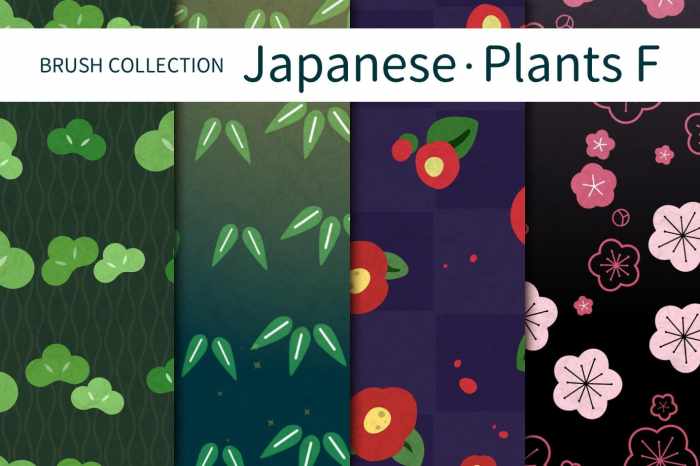
The Japanese aesthetic of plant markers, steeped in centuries of tradition, offers a unique perspective on nature and design. Understanding how these markers differ from those of other cultures provides valuable insight into the diverse ways humans interact with the natural world and express cultural values. This comparative analysis highlights the unique characteristics and influences shaping the Japanese approach.While plant markers worldwide often share the fundamental function of identifying and honoring plants, the specific symbolism, design elements, and materials used vary significantly.
These differences stem from the unique cultural values, artistic traditions, and environmental contexts of different societies.
Similarities and Differences in Symbolism
Japanese plant markers often incorporate symbolism related to nature, serenity, and the cyclical nature of life. This aligns with other cultures’ use of symbolism, but the specific interpretations and imagery differ. For instance, the use of stylized flora and fauna may represent similar concepts across cultures, but the precise meanings attributed to these elements can vary.
Design Elements and Materials
Japanese plant markers frequently utilize natural materials like wood, bamboo, and stone, reflecting a deep connection with the environment. Other cultures may employ different materials like metal, ceramic, or even woven fibers, each chosen for its aesthetic qualities and cultural significance. The design elements, including patterns, motifs, and overall form, also exhibit considerable variation depending on cultural traditions.
Examples from Other Cultures
Chinese plant markers often incorporate intricate carvings of dragons, phoenixes, or other auspicious creatures, reflecting the emphasis on auspiciousness and good fortune in Chinese culture. Korean plant markers may utilize a more minimalist aesthetic, featuring simple, geometric designs with a focus on balance and harmony. These examples demonstrate the diverse ways cultures use plant markers to express their values and beliefs.
Cultural Context and Influence
The cultural context profoundly shapes the aesthetics of plant markers. For example, the emphasis on minimalism and natural materials in Japanese markers reflects a deep respect for nature and a focus on simplicity. In contrast, the use of elaborate carvings and ornamentation in other cultures may reflect a more decorative or symbolic approach.
Comparison Table: Japanese vs. Chinese Plant Markers
| Characteristic | Japanese Plant Markers | Chinese Plant Markers |
|---|---|---|
| Primary Materials | Wood, bamboo, stone, paper | Wood, ceramic, metal, lacquer |
| Dominant Symbolism | Nature, serenity, cyclical life | Auspiciousness, good fortune, harmony |
| Design Elements | Stylized flora, fauna, minimalist forms | Intricate carvings, auspicious creatures, symbolic patterns |
| Cultural Influence | Emphasis on natural beauty, respect for nature | Emphasis on good fortune, balance, and auspiciousness |
Creating a Set of Japanese Plant Markers
A set of meticulously crafted Japanese plant markers can elevate a garden, embodying the aesthetic of minimalism, functionality, and deep-rooted symbolism. These markers, far from mere labels, become integral parts of the horticultural experience, mirroring the Japanese appreciation for nature’s subtle beauty and the delicate balance within a cultivated space.This exploration delves into the design of a specific set of five plant markers, each with a unique theme, function, and aesthetic, ultimately reflecting the rich tapestry of the Japanese plant marker aesthetic.
Defining the Set’s Function and Aesthetic
This set of five plant markers aims to capture the essence of Japanese design principles. Each marker, while distinct, is intended to function seamlessly within a garden setting, while echoing the aesthetic sensibilities of Japanese gardens and the principles ofwabi-sabi*. The set’s design aims for a harmonious blend of natural materials, minimalist forms, and symbolic imagery, promoting a tranquil and contemplative atmosphere.
Specific Plant Markers
| Marker Name | Design | Material | Intended Use | Aesthetic Rationale |
|---|---|---|---|---|
| Zen Garden Stone | A minimalist, smooth stone, slightly irregular in shape, subtly etched with a single, stylized bamboo leaf. | Natural river stone, polished | Marking a meditative or contemplation area, bonsai, or an area for contemplation. | This evokes the serenity of a Zen garden, emphasizing simplicity and understated elegance. The subtle bamboo leaf adds a touch of Japanese symbolism. |
| Floating Blossom | A delicate, paper-thin, lacquered wooden disc, with a painted cherry blossom motif. | Lacquered wood, washi paper | Marking delicate flowering plants or shrubs. | This marker encapsulates the ephemeral beauty of cherry blossoms, highlighting the delicate nature of growth and the fleeting beauty of nature. The use of lacquer wood reinforces the traditional Japanese craftsmanship. |
| Bamboo Vigor | A slender, intricately carved bamboo stalk, showcasing the natural grain and texture of the wood. | Bamboo wood, hand-carved | Marking fast-growing or climbing plants like bamboo, vines, or climbing roses. | This design celebrates the strength and resilience of bamboo, a symbol of growth and flexibility in Japanese culture. The intricate carving emphasizes the natural beauty of the material. |
| Mountain Majesty | A miniature, hand-carved stone replica of a mountain peak, subtly adorned with moss. | Natural stone, meticulously carved, with preserved moss | Marking larger, more robust trees or shrubs, often found in a mountainous landscape. | This design references the rugged beauty of Japanese mountains, emphasizing the enduring strength of nature. The moss adds a touch of natural decay, mirroring the concept of – wabi-sabi*. |
| Rice Paddies | A small, intricately crafted wooden box, resembling a traditional Japanese rice paddy, with a miniature rice plant inside. | Lacquered wood, miniature rice plant | Marking rice paddies, or areas devoted to cultivated crops, herbs, or vegetables. | This design celebrates the agricultural heritage of Japan, highlighting the importance of nature and the meticulous process of cultivation. |
Rationale Behind the Choices
The selection of materials and designs for each marker prioritizes natural elements and traditional Japanese craftsmanship. The use of natural stone, wood, and paper reflects the appreciation for the natural world in Japanese aesthetics. The incorporation of symbolic imagery, like bamboo and cherry blossoms, further connects the markers to Japanese culture and values. The overall set aims to represent a diverse range of plants and their characteristics, while maintaining a cohesive aesthetic that reflects the Japanese approach to nature.
Practical Application and Future Trends
Japanese plant markers, imbued with a rich cultural heritage, are poised for a resurgence in modern landscaping and interior design. Their aesthetic, rooted in minimalism, symbolism, and craftsmanship, offers a unique opportunity to elevate the visual and experiential aspects of these spaces. The enduring appeal of Japanese design principles, particularly in the West, fuels the potential for innovation and adaptation of plant markers in contemporary settings.The growing interest in biophilic design, emphasizing the integration of nature into built environments, directly supports the increasing relevance of Japanese plant markers.
Their ability to subtly enhance a space with subtle elegance and profound meaning resonates with a desire for serenity and connection with nature, a growing trend among consumers. This trend suggests that the future of plant markers may be one that is more than just functional; it will be deeply integrated into the emotional experience of a space.
Potential Applications in Modern Landscaping
Japanese plant markers can be seamlessly integrated into contemporary landscapes. They can define garden pathways, highlight specific plant species, or serve as miniature sculptural elements, adding visual interest to the environment. The integration of these markers into water features, such as small ponds or fountains, further enhances the aesthetic appeal. Furthermore, these markers can be used to create a sense of continuity and flow within the landscape, connecting different areas with subtle visual cues.
Potential Applications in Interior Design
Beyond outdoor spaces, Japanese plant markers can find their place in modern interior design. Their minimalist forms and natural materials lend themselves to various styles, from contemporary to traditional. The use of these markers as decorative accents on shelves, windowsills, or within living walls adds a touch of understated elegance and a sense of calm. These markers can serve as a tangible connection to nature, bringing the serenity of the outdoors into the indoors.
Future Trends in Design
Several future trends in Japanese plant marker design are emerging. One trend is the use of sustainable and eco-friendly materials, such as bamboo, recycled wood, or reclaimed metal, aligning with growing environmental consciousness. Another trend is the incorporation of digital technology, such as integrated LED lighting or embedded sensors to monitor plant health, providing a sophisticated and responsive design element.
Furthermore, a growing demand for personalization and customization suggests the emergence of bespoke plant markers tailored to individual tastes and preferences.
Innovative Approaches to Design
Innovative approaches to Japanese plant marker design are being explored. One example is the integration of miniature gardens within the markers themselves, creating micro-landscapes that enhance the visual and tactile experience. Another innovative approach involves using responsive materials, allowing the markers to adapt to changes in light or temperature, creating dynamic visual effects. These developments reflect a move towards integrating technology and art, blurring the lines between the functional and the aesthetic.
Examples of Contemporary Design Solutions
Examples of contemporary design solutions include incorporating Japanese plant markers into rooftop gardens, where they can serve as subtle dividers or focal points. They could also be incorporated into vertical gardens, providing both visual appeal and a sense of verticality. The use of interactive plant markers, equipped with sensors, could provide real-time information about the health of plants, integrating technology seamlessly into the design.
Furthermore, markers could be crafted in unique shapes and patterns, such as wave-like forms or abstract geometric designs, reflecting the modern aesthetic sensibilities.
Conclusive Thoughts
In conclusion, Japanese plant markers are far more than simple markers; they are expressions of a rich cultural heritage. Their enduring appeal lies in their harmonious blend of tradition and contemporary relevance. From their delicate craftsmanship to their subtle symbolism, these markers continue to inspire and captivate, demonstrating the enduring power of aesthetic expression in the modern world.
Their potential for integration into contemporary landscaping and interior design is significant.
